Foundation installation in Monrovia CA - a base matched to your lot and soil
Building a new home or addition on flat or sloped ground? We build your foundation from the engineer's plans and the soil report.
Request an estimate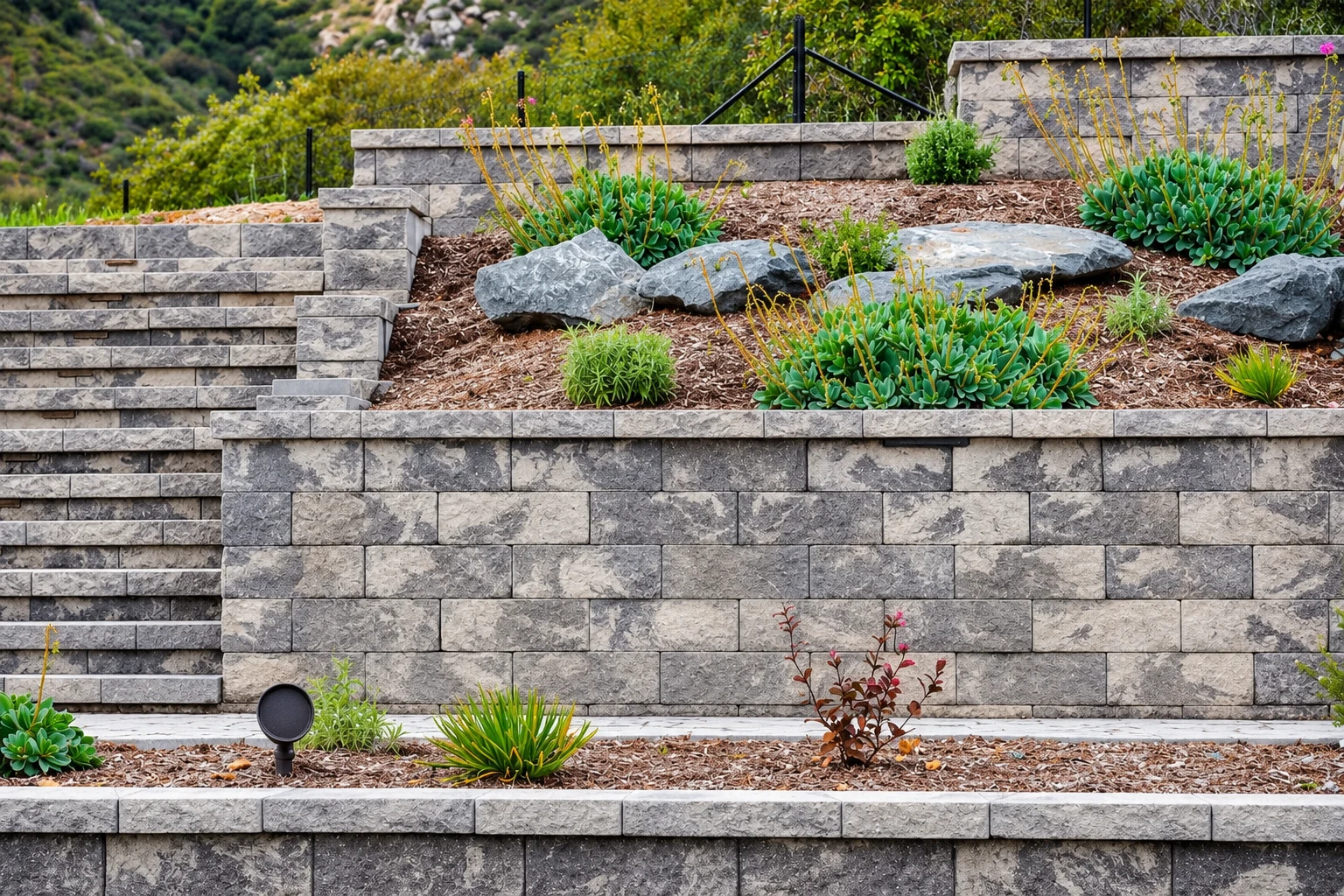
What goes into a new foundation in Monrovia?
Foundation installation in Monrovia means building the base that carries your house's weight. That's either a concrete slab poured on the ground or a raised foundation that sets the floor on piers and beams over a crawl space. It's the first thing built for a new home, an addition or a full replacement, and everything above it depends on it.
You're probably planning a new house, adding on or replacing a foundation that's past saving, and you want to know what you're getting into. The price mostly turns on which type your lot calls for, how much the ground slopes, what the soil report finds and how big the footprint is. The schedule turns more on testing and permits than on the pour itself. If you already know you want a slab, our slab foundation building page covers that one in more depth. For your own number, I walk the lot, measure it and write down what's included, like removal and hauling, so you know what the price covers.
How we handle foundation installation
We build from the engineer's plans and the soil report, so nothing gets dug until both are in hand. On a sloped lot I talk through slab or raised floor with you first, because that choice decides how much dirt moves and what you end up paying. Then our crew lays out the footprint, digs to the depth the plans call for and packs the subgrade, the soil the foundation sits on, hard, because loose dirt settles and takes the concrete with it. Before we pour, I settle where the water will run, since most failed concrete I've torn out had water sitting where it shouldn't. We set rebar, the steel inside that holds the concrete together when the ground shifts, and on a slab we set anchor bolts around the edge during the pour to tie the bottom board of your walls to the foundation. Then it cures, the wait while the concrete gains strength, before framing goes on top.
Every foundation sits on concrete footings, the wider concrete below ground that spreads the weight into firmer soil, and we also pour those on their own for porches, walls and small additions. If you're putting up a shop or building on a lot that also needs paving, we can handle the concrete parking lot building too, so one crew sets the grades and the water runs off both the same way.
Foundation installation rules in Monrovia
In Monrovia, the paperwork for this job starts with grading. The city's Engineering Department takes written grading permit applications, and the plans that go with one are drawn by a registered civil engineer unless the city engineer approves otherwise. New construction on an infill hillside lot also needs a hillside development permit from the Planning Commission. What your address needs isn't something I'll guess at, so we check with the city or county office that covers it before we set a date, and if the job needs a permit, we sort out who pulls it and have it in hand before work starts.
Plenty of lots here slope toward the foothills, so we spend more time on the slab-or-raised talk and on where runoff goes once the house is up. We see the same kind of hillside lots on jobs in Sierra Madre and Pasadena. As for the state's seismic hazard zone rules, the California Geological Survey's seismic hazard zones page says a single-family frame home up to two stories is exempt from those state requirements when it isn't part of a development of four or more units. Local agencies can be stricter, so we go by what the city tells us for your lot.
Foundation work, form to pour
Get a foundation estimate at your lot
We reply within one business day, and the estimate is free, done at your property and comes with no obligation. After you send this, I'll set a time to come out, walk the lot and go over your plans with you.
(626) 879-0614Foundation questions from Monrovia owners
How much does foundation installation cost in Monrovia?
There's no honest number until we've seen your lot and the soil report, because the slope and the soil set most of the cost. A slab on flat, firm ground is usually the simpler job, while a lot that slopes, soil that needs an engineered fix or a site trucks can't easily reach pushes it up. I write all of that into the estimate so you can see what moves your number.
Does a sloped lot change whether I should build a slab or a raised foundation?
Usually, yes. One building-materials publisher says a slab on a slope over 5% needs massive, expensive retaining walls and deep fill that has to be packed down, while raised piers follow the slope with very little earthwork. That's why the type comes up early on a hillside job, while the plans can still change.
Do I need a soil report before building a foundation in Monrovia?
Usually, yes. A Monrovia grading permit application comes with a preliminary soil report from a registered soils engineer, based on test borings or digs on your lot, though the city engineer can waive it when the soil information on hand is enough. If the report finds critically expansive soil, the kind that swells when wet and shrinks when dry, or other problems that would cause structural defects, the city requires a full soil investigation for the site, so plan time for testing before work starts.
Does the time of year matter for foundation work in Monrovia?
It can. If any grading is scheduled between October 15 and April 15, the city may require a separate erosion and sedimentation control permit, so a winter dig can mean one more permit. Tell us the month you're hoping to start and we'll plan around it.
How long does it take to build a foundation for a house?
Most of the time usually goes into what comes before the pour, the soil testing, the engineered plans and the city's review, more than the concrete work itself. After the pour, the concrete has to cure before framing starts, and I'll give you our own timeline once I've seen your plans and the lot.
What causes a house foundation to crack?
Most of the cracking I see comes from water sitting where it shouldn't and soil that moves or settles under the concrete. That's why we build on tested, packed ground with steel in the concrete and grade the lot so water runs away from the house. Fine shrinkage cracks show up in most concrete, and they're a different thing from a foundation that's moving.
Call about your Monrovia foundation
Call (626) 879-0614 while your plans are still on paper, because switching between slab and raised floor costs far less before anything is dug.